Introduction to Genesis
Quick Overview of Genesis
Title: Genesis (“Origins” or “Beginnings”)
Author: Traditionally Moses
Date Written: Traditionally during Israel’s wilderness period (around 1446-1406 BC)
Audience: The people of Israel and all future readers of Scripture
Setting: Genesis serves as the opening book of the Bible and lays the foundation for everything that follows. It explains the origins of the world, humanity, sin, nations, and God’s covenant people. The book traces God’s work from creation to the lives of Abraham, Isaac, Jacob, and Joseph.
Purpose: Genesis reveals God as the Creator and Sovereign Lord over all things. It explains humanity’s fall into sin, God’s promise of redemption, and the beginnings of His covenant relationship with Abraham and his descendants. Throughout the book, God demonstrates His faithfulness despite human failure.
Key Verse: Genesis 12:2-3 (NKJV)
I will make you a great nation; I will bless you And make your name great; And you shall be a blessing. I will bless those who bless you, And I will curse him who curses you; And in you all the families of the earth shall be blessed.
Quick Links:
▶️ Sermons
What Is the Book of Genesis About?
Genesis is the book of beginnings. It introduces the major themes, people, and promises that shape the rest of Scripture.
The first eleven chapters focus on universal history. Genesis reveals how God created the world, made humanity in His image, established marriage, and intended His creation to flourish under His rule. It also explains how sin entered the world through Adam and Eve’s rebellion and how that rebellion spread throughout humanity. Stories such as Cain and Abel, the Flood, and the Tower of Babel demonstrate both the seriousness of sin and God’s ongoing mercy.
Beginning in Genesis 12, the focus narrows to one family through whom God will accomplish His redemptive purposes. God calls Abraham and establishes a covenant with him, promising land, descendants, and blessing. These promises are passed to Isaac and Jacob before the narrative concludes with Joseph preserving his family during a time of famine.
Throughout Genesis, God repeatedly overcomes human weakness, failure, and opposition in order to accomplish His purposes. The book shows that salvation is not built upon human achievement but upon God’s grace, faithfulness, and promises.
Genesis also lays the theological foundation for the rest of the Bible. Themes such as creation, covenant, blessing, faith, sacrifice, kingdom, and redemption all begin here and develop throughout Scripture, ultimately finding their fulfillment in Jesus Christ.
While Genesis describes events from the ancient world, it addresses questions people still ask today: Where did we come from? Why is the world broken? What is God’s purpose for humanity? Can God be trusted to keep His promises? Genesis provides the starting point for understanding God’s answers to those questions.
Major Themes in Genesis
- God as Creator and Sovereign King
- Humanity created in God’s image
- The entrance and consequences of sin
- God’s judgment and mercy
- Covenant and promise
- Faith and obedience
- Blessing and inheritance
- God’s providence
- The formation and preservation of God’s people
- The unfolding plan of redemption
Throughout Genesis, we see the beginning of themes that run throughout the entire Bible. Understanding Genesis helps readers understand the larger story of Scripture.
A Guide for Reading Genesis
Genesis is both historical narrative and theological foundation. As you read, keep these principles in mind:
Watch for God’s Promises
Much of Genesis revolves around God’s promises and His faithfulness in fulfilling them. Pay special attention to the covenants God establishes and how they shape the lives of His people.
Look for Patterns and Repeated Themes
Genesis often repeats themes such as blessing and curse, faith and unbelief, exile and restoration, and God’s faithfulness despite human failure. These patterns help reveal the book’s message.
Read Genesis as the Beginning of God’s Story
Genesis introduces the storyline that unfolds throughout the rest of Scripture. The promises, problems, and hopes introduced here find their fulfillment as the biblical story progresses.
Keep Christ in View
Genesis is not merely about ancient people and events. Jesus taught that the Scriptures ultimately point to Him. As you read, look for how Genesis prepares the way for God’s plan of redemption through Christ.
Why Read Genesis?
Genesis helps us understand the foundations of the biblical worldview. It answers some of life’s most important questions:
- Who created the world?
- Why were human beings made?
- What does it mean to bear God’s image?
- Why is there evil and suffering?
- How did God’s plan of redemption begin?
- What is faith?
- Why did God choose Abraham?
- Can God be trusted to keep His promises?
Whether you are new to the Bible or have studied it for years, Genesis provides essential context for understanding the rest of Scripture. Nearly every major biblical doctrine has roots in this book.
As you read Genesis, you will discover that the story of redemption did not begin in the New Testament. From the opening chapters of Scripture, God is already at work accomplishing His purposes and preparing the way for the coming of Christ.
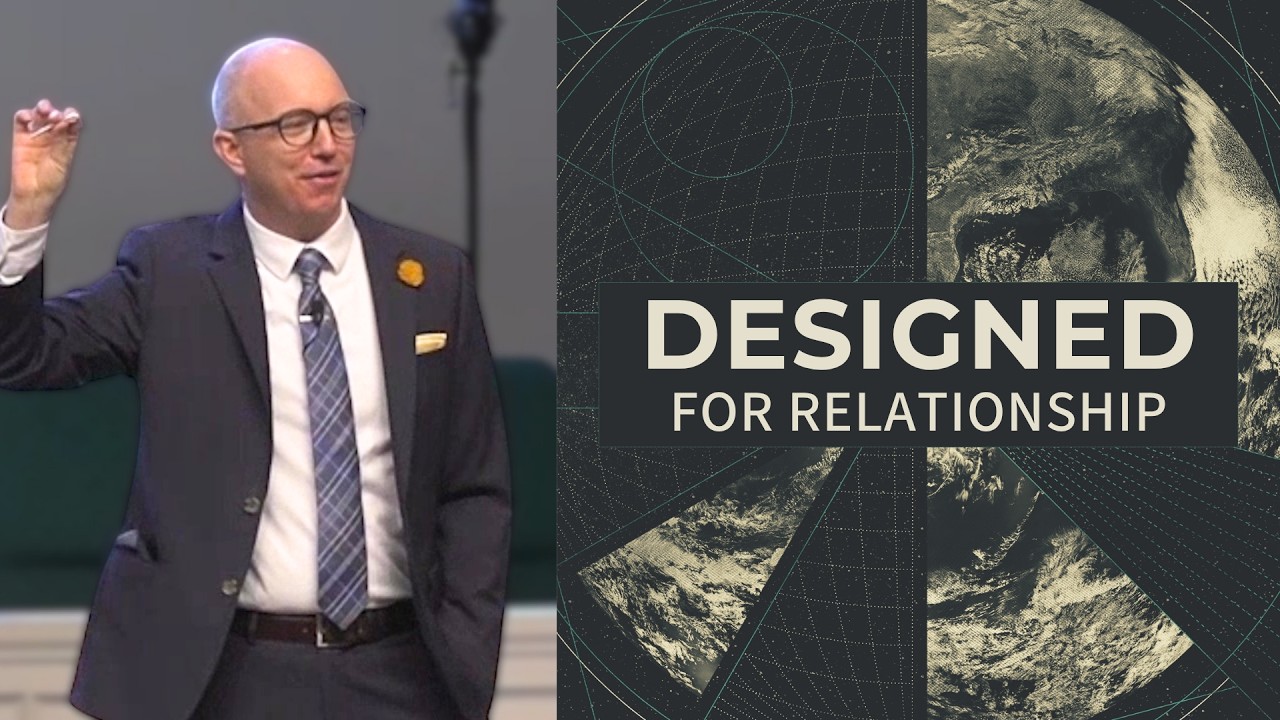
Genesis: God's Design for His People
Long before the Church existed, God was preparing a people for Himself. In Genesis, we discover God’s design for humanity, the devastating effects of sin, and His gracious plan to redeem and unite His people. Through creation, the fall, and the spread of humanity across the earth, God begins a story that ultimately leads to Christ and the formation of His Church. As we explore Genesis 1-11, we will see how God’s design for relationships, His saving grace, and His purpose for unity provide a foundation for living together as One Body under Christ.
Genesis Sermons