Introduction to Leviticus
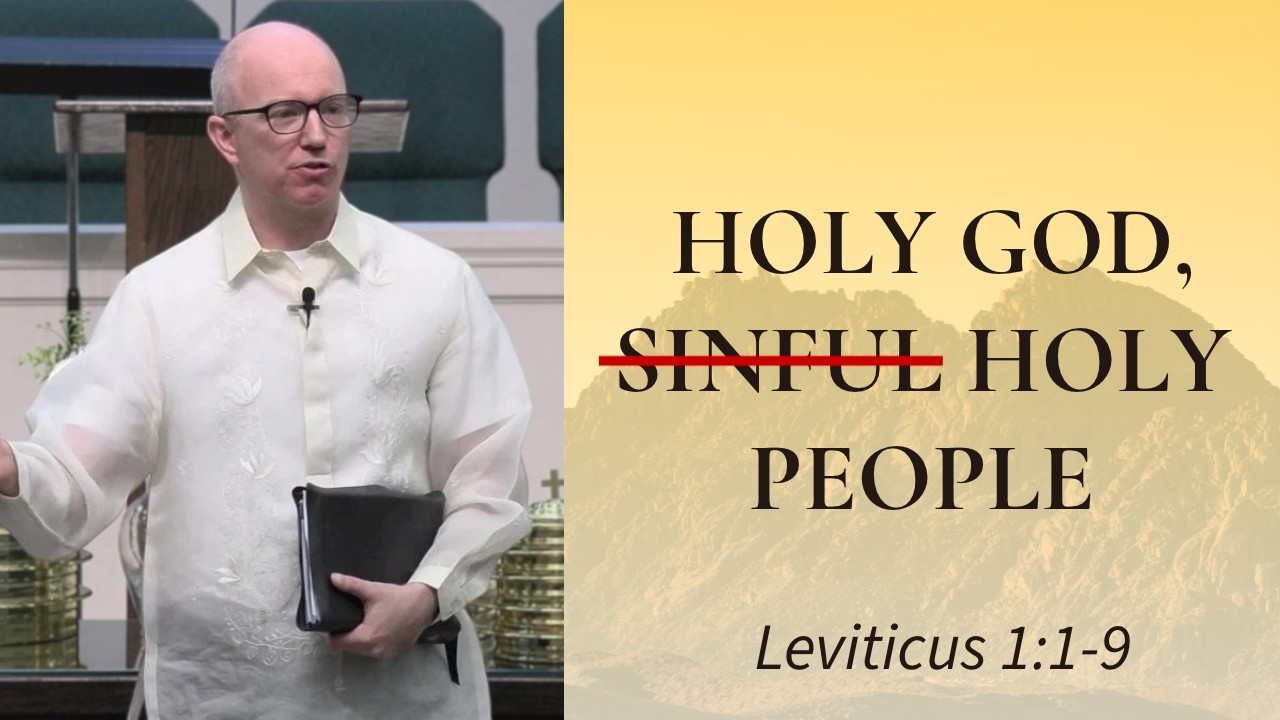
Leviticus is often one of the most misunderstood books in the Bible. Many readers view it as little more than a collection of ancient laws and rituals. Yet Leviticus stands at the heart of God’s story, answering one of the Bible’s most important questions: How can a holy God dwell among a sinful people, and how can those people fulfill their calling in the world?
The answer reaches far beyond ancient Israel. Leviticus reveals God’s holiness, explains the need for atonement, teaches God’s people how to live in His presence, and points forward to the saving work of Jesus Christ.
Quick Overview of Leviticus
Author: Moses
Date Written: c. 1446-1406 BC
Audience: The people of Israel after the Exodus
Setting: Mount Sinai, following Israel’s deliverance from Egypt
Purpose: To teach God’s redeemed people how to live in fellowship with their holy King and reflect His character to the world
Key Verse: “You shall be holy, for I the LORD your God am holy.” (Leviticus 19:2)
Major Themes: Holiness, God’s Presence, Atonement, Worship, Covenant Faithfulness
Quick Links:
▶️ Sermons
What Is the Book of Leviticus About?
The story of Leviticus begins before the book itself. In Exodus, God rescues Israel from slavery in Egypt. He enters into covenant with them and declares that they will be His treasured possession, a kingdom of priests, and a holy nation. Then God does something remarkable: He chooses to dwell among them in the tabernacle.
But this creates a problem.
How can the holy King of the universe live in the midst of sinful people? How can God’s presence remain among them without consuming them in judgment? And how can Israel fulfill its calling as God’s people in the world? Leviticus answers these questions.
The opening chapters explain the sacrifices God provides for dealing with sin and restoring fellowship with Him. The book establishes a priesthood to represent the people before God. It teaches Israel how to handle ritual impurity so God’s holy dwelling place is not defiled. It culminates in the Day of Atonement, when the sins and impurities of the entire nation are dealt with before the Lord.
Yet Leviticus is about more than sacrifices and rituals. The second half of the book teaches Israel how to live as God’s holy people. Their laws, worship, family life, ethics, festivals, and social practices were all intended to reflect the character of the God who lived among them.
Leviticus is therefore not merely a book about rules. It is a book about relationship. The holy King has redeemed a people for Himself and shows them how to live in His presence and represent His kingdom in the world.
Dr. Jay Sklar

1:29

6:12

2:38

2:40

6:28
How Leviticus Fits into the Story of the Bible
Many Christians struggle to see how Leviticus fits into the larger biblical story. In reality, it stands at one of the most important turning points in Scripture.
The vision of Leviticus begins in creation. In Eden, God walked with humanity, blessed them, and called them to reflect His image throughout the earth. Sin disrupted that relationship and brought humanity under judgment.
Leviticus presents God’s plan for restoring that purpose through a redeemed people. Just as God brought order to creation, He calls Israel to distinguish between what is holy and common, clean and unclean.
Just as God blessed Adam and Eve, He promises blessing, fruitfulness, rest, and His presence to His covenant people.
Just as humanity was created to reflect God’s character throughout the world, Israel is called to be a holy nation that displays God’s righteousness, justice, mercy, and love.
In many ways, Leviticus invites God’s people to become a new Eden. The goal of the book is not simply obedience to rules. The goal is restored fellowship with God and participation in His kingdom purposes.
Major Themes in Leviticus
The Holiness of God
More than any other theme, Leviticus emphasizes God’s holiness.
God is utterly unique. He is perfect in power, perfect in purity, and perfect in character. Because God is holy, His people must also be holy.
The repeated command of Leviticus is simple:
“Be holy, because I am holy.”
God’s holiness shapes every part of the book.
God’s Presence
The central miracle of Leviticus is not sacrifice.
The central miracle is that God chooses to dwell among His people.
The tabernacle represents God’s royal dwelling place in the midst of Israel. Leviticus explains how sinful people can enjoy the presence of their covenant King without being destroyed by His holiness.
The entire book assumes that life with God is humanity’s greatest blessing.
Atonement
Sin creates a barrier between God and His people.
Through sacrifices, priests, and the Day of Atonement, God provides a way for sin to be forgiven and fellowship to be restored.
Leviticus teaches that forgiveness is not something sinners achieve through their own efforts. God Himself graciously provides the means by which atonement can be made.
This prepares the way for the gospel and the ultimate sacrifice of Jesus Christ.
The People of God
God did not redeem Israel merely to rescue them from slavery.
He redeemed them for a mission.
Israel was called to be a kingdom of priests and a holy nation. Their lives were meant to display God’s character to the surrounding nations.
The laws of Leviticus show what life looks like when a people live under God’s rule.
God’s Kingdom
Leviticus presents a vision of society transformed by God’s presence.
Its laws encourage justice, compassion, mercy, generosity, integrity, and worship.
The book provides a picture of what life looks like when God’s will is done on earth.
In this way, Leviticus anticipates Jesus’ teaching about the kingdom of God.
A Guide for Reading Leviticus
Don’t Read Leviticus as a Rulebook
Leviticus is sometimes approached as an isolated collection of regulations.
It is better understood as covenant instruction given to a redeemed people.
God redeems first and instructs second. The laws of Leviticus regulate an existing relationship rather than create one.
Read Leviticus Through the Lens of Holiness
The primary concern of the book is holiness.
As you read, ask how each section reveals God’s character and teaches His people to reflect that character in their lives.
Watch for God’s Grace
Modern readers often focus on the commands.
Israel would have seen grace.
The sacrifices, priesthood, festivals, and Day of Atonement were all gifts from God. They provided a way for sinners to remain in fellowship with Him.
Leviticus repeatedly reminds us that God desires relationship with His people.
Read Leviticus with the New Testament in Mind
Many of Leviticus’ themes find their fulfillment in Jesus Christ.
The priesthood, sacrifices, temple, holiness laws, and Day of Atonement all point beyond themselves.
The book of Hebrews is especially helpful for understanding how Christ fulfills Leviticus.
Why Read Leviticus?
Leviticus helps us understand truths that are essential to the Christian faith.
Through Leviticus we learn:
- Why holiness matters.
- Why sin is so serious.
- Why atonement is necessary.
- Why sacrifice is central to biblical worship.
- Why Jesus is our great High Priest.
- Why Jesus died on the cross.
- What life under God’s rule looks like.
Without Leviticus, much of the language of the New Testament becomes difficult to understand. Concepts such as sacrifice, priesthood, holiness, cleansing, atonement, redemption, and worship all have roots in this book.
Far from being irrelevant, Leviticus serves as one of the most important foundations for understanding the gospel.
Leviticus and Jesus
The New Testament does not leave Leviticus behind. Instead, it shows how the themes of Leviticus find their ultimate fulfillment in Jesus Christ.
Jesus Our Great High Priest
Leviticus established priests who represented the people before God.
Jesus fulfills this role perfectly.
Unlike the priests of Aaron’s line, Jesus is without sin. He intercedes for His people continually and brings them into God’s presence.
Jesus Our Perfect Sacrifice
The sacrifices of Leviticus provided temporary atonement and had to be repeated continually.
Jesus offered Himself once for all.
His death fully accomplishes what the sacrifices of Leviticus could only foreshadow. Through His blood, sinners are forgiven, cleansed, and reconciled to God.
Jesus and God’s Presence
In Leviticus, God dwelt among His people in the tabernacle.
In Jesus, God came to dwell among His people in human flesh.
Through Christ and the gift of the Holy Spirit, believers become God’s dwelling place and enjoy direct access to the Father.
Jesus and the Restoration of Eden
Leviticus points toward God’s intention to restore His creation.
Jesus brings that restoration to fulfillment.
He proclaims God’s kingdom, defeats sin and death, and gathers a holy people who reflect God’s character in the world. One day He will complete that work when heaven and earth are made new and God’s people dwell with Him forever.
The story that began in Eden, and was partially restored in Leviticus, finds its ultimate completion in King Jesus.
Q&A with Dr. Jay Sklar
Leviticus: How to Live as God's Holy People
Leviticus Sermons